- 315
- Villages reached
- 50
- Panchayats
- 35,000
- Families
- 1.6 L
- People in Vellore district
Non-communicable diseases — diabetes, hypertension, heart disease and stroke — carry a heavy burden in rural India. By working with a defined community, TCT can make a meaningful difference to both the prevalence of these conditions and the complications that follow. The programme's vision is twofold:
Prevent obesity and build awareness of lifestyle-related illness — with a special focus on children and young people — teaching proper nutrition and physical activity.
Ensure those already affected have easy access to good-quality, ethical healthcare, to prevent complications.
The TCT Model
Integrated primary & secondary care — a closed loop
We run a closed-loop model where primary and secondary healthcare work together. Before launching any intervention, we identify common health problems in a community and assess their prevalence, so our programmes match real needs.
Our field workers are trained to deliver basic first-line care in the village. When a patient needs more, they are referred to the hospital — accompanied home afterwards, helped to obtain the right medicines, and given the right advice.
Finally, to close the loop, field workers continue to monitor the patient and encourage follow-up. This shared responsibility between hospital, field team, patient and family is what lets our doctors truly track every patient.
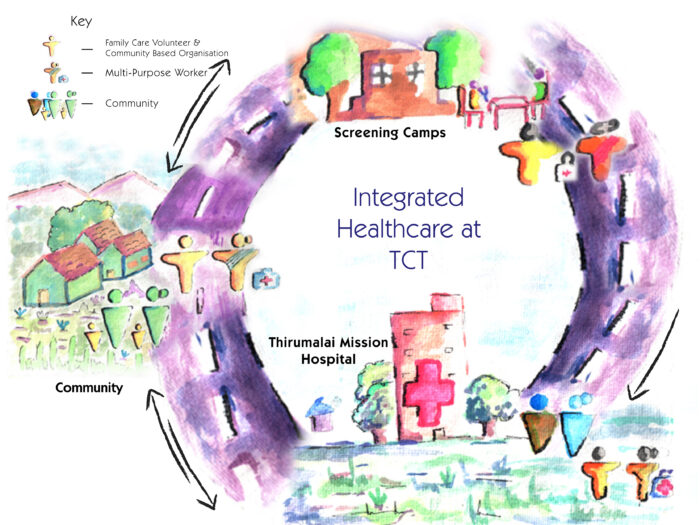
TCT's Model of Care
Working model for TCT's Community Health Initiatives
The unique model that TCT has adopted for addressing community health entails an approach that seamlessly integrates care at the hospital and care at the community.
-
Prevention by Education
Education and awareness about preventive health and wellness is targeted at the rural population. School children, family-care volunteers, women from the community and TCT staff have been trained to deliver the messages using different tools like oral communication, posters, films, songs, banners and flex boards. There is a designated family-care volunteer for every 50 households, who is a member of the village. In addition, there is active engagement of youth groups and about 150 community-based organisations (CBOs) with over 1,500 members.
-
Detection by Screening
Screening for eligible members of the community is based on criteria developed by medical experts and implemented by the Multipurpose Assistants (MPAs) at the grassroots level. The screening happens through camps organised by the field staff and supported by the family-care volunteers.
-
Treatment by intervention
Patients in whom health anomalies are detected are then referred to the medical team of specialised consultants for evidence-based treatment, medication and hospitalisation when required. In addition to clinical intervention, patients are also given advice on diet, nutrition, foot care and other non-clinical methods of control.
-
Control by monitoring
Periodic monitoring is subsequently done by the field staff — the patients are visited at their homes every month and all relevant parameters are checked. In addition to the monthly home monitoring by field staff, patients also undergo a half-yearly review that includes lab and diagnostic tests, reinforcement of diet, care & control, physician consultation, medication, and course correction where necessary.
On the ground
A complete loop of community care
-
7
areas, each with its own coordinator
Community Health Services
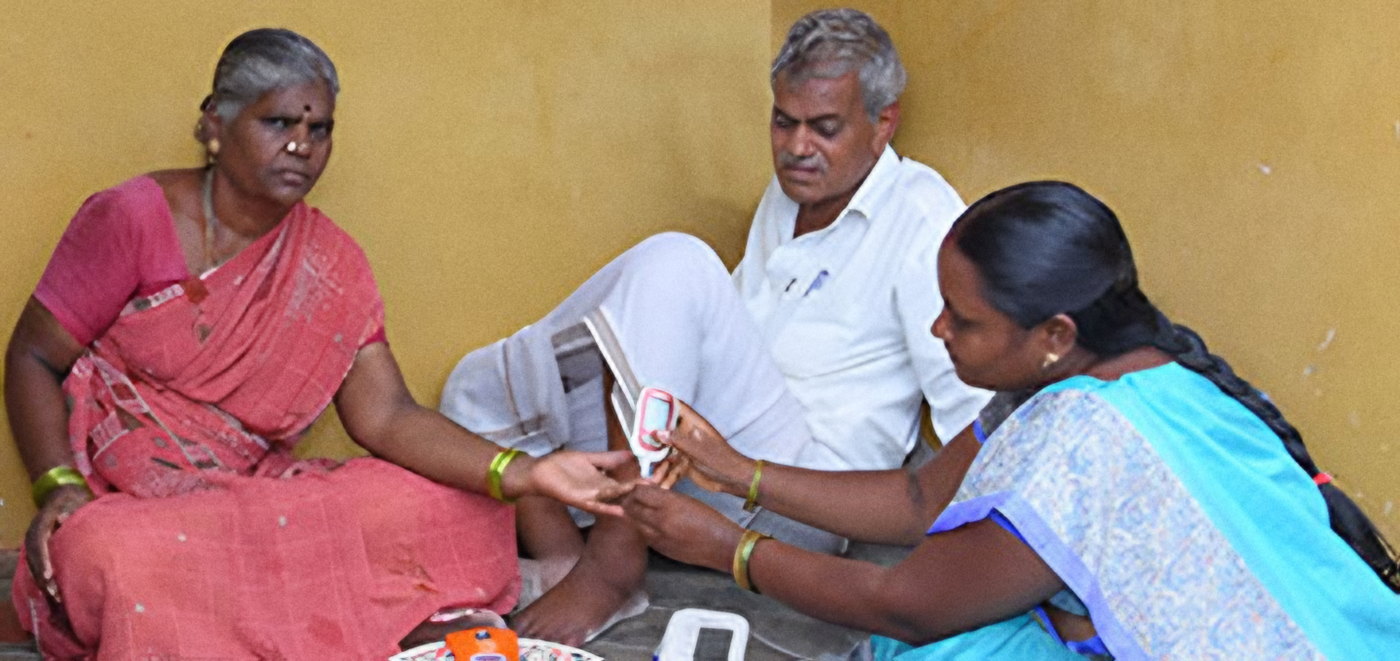
All of TCT's village services are completely free charity. The work is organised into 7 areas, each with a coordinator and multi-purpose assistants, plus family-care volunteers and community organisations (Annams) for every 50–75 families.
-
8
speciality camps, running fortnightly
Camps & Outreach
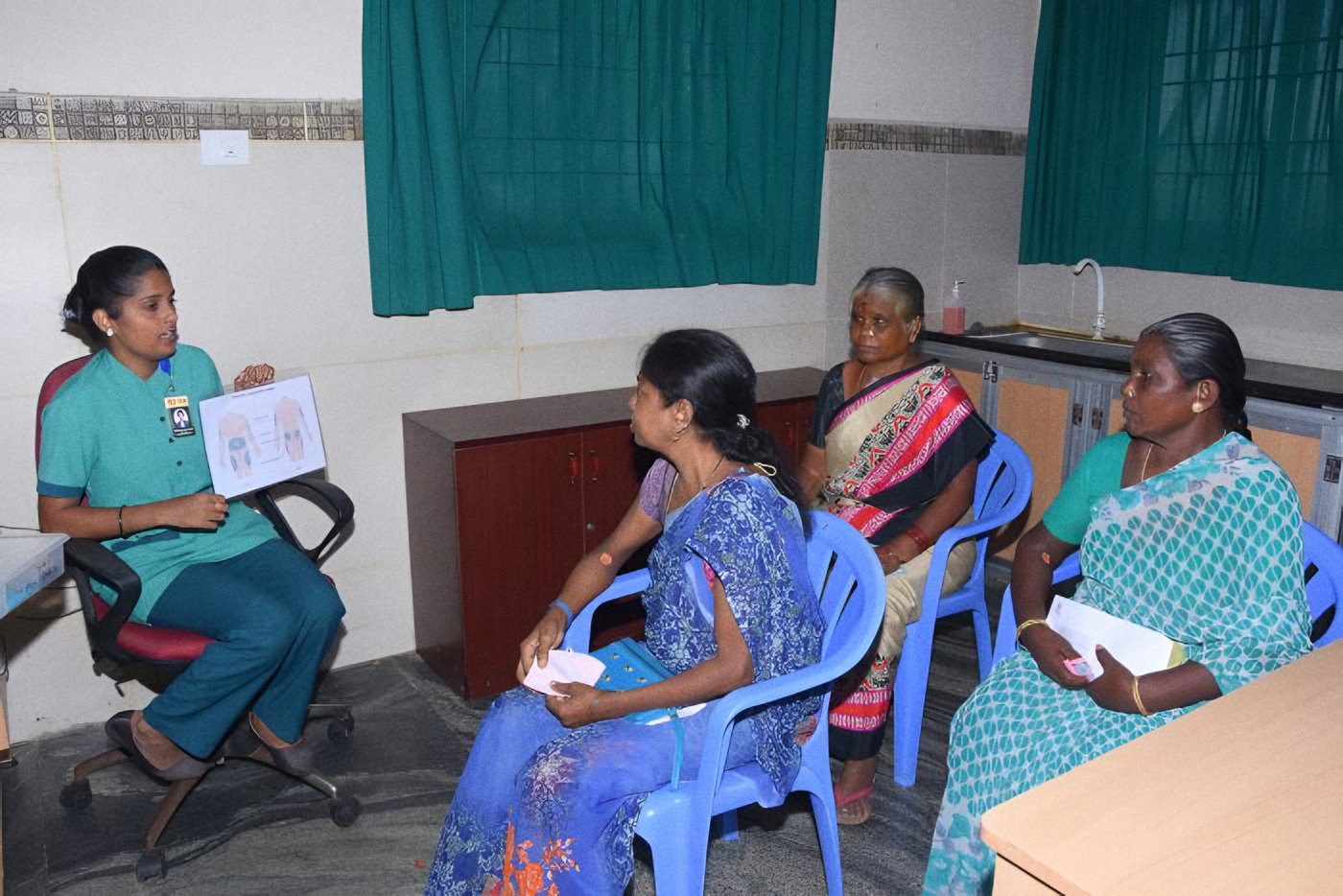
Gynaecology, surgery, orthopaedics, ENT, paediatric, dental, cardiology and pulmonary camps run fortnightly. Monthly eye camps with Aravind Eye Hospital, Chennai provide free cataract and other surgeries.
-
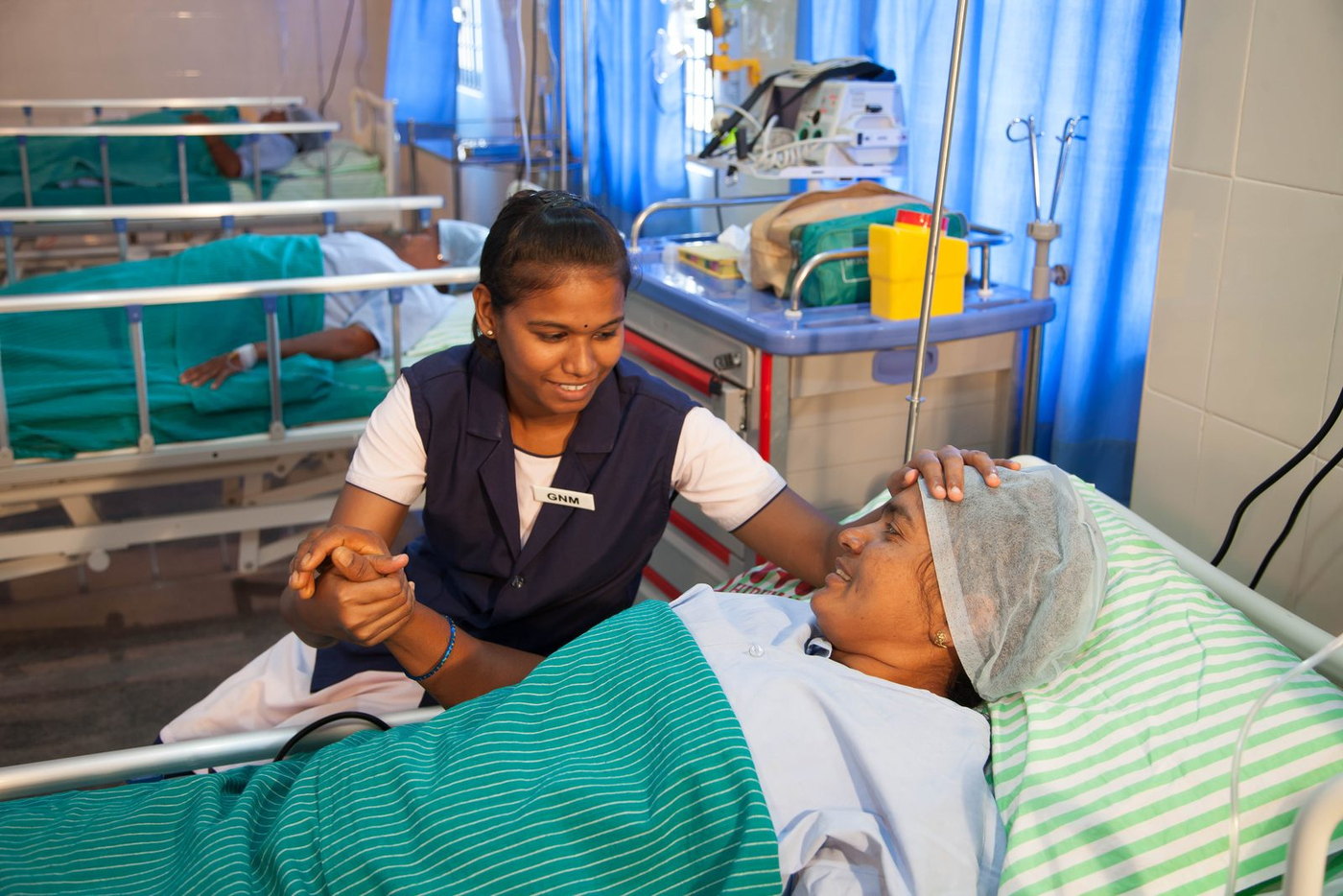
Free
in-patient and surgical care
Free In-patient Services
Patients referred through camps and those from very poor backgrounds receive free in-patient and surgical services — the same standard of care as every other patient, with extra follow-up after discharge.
-
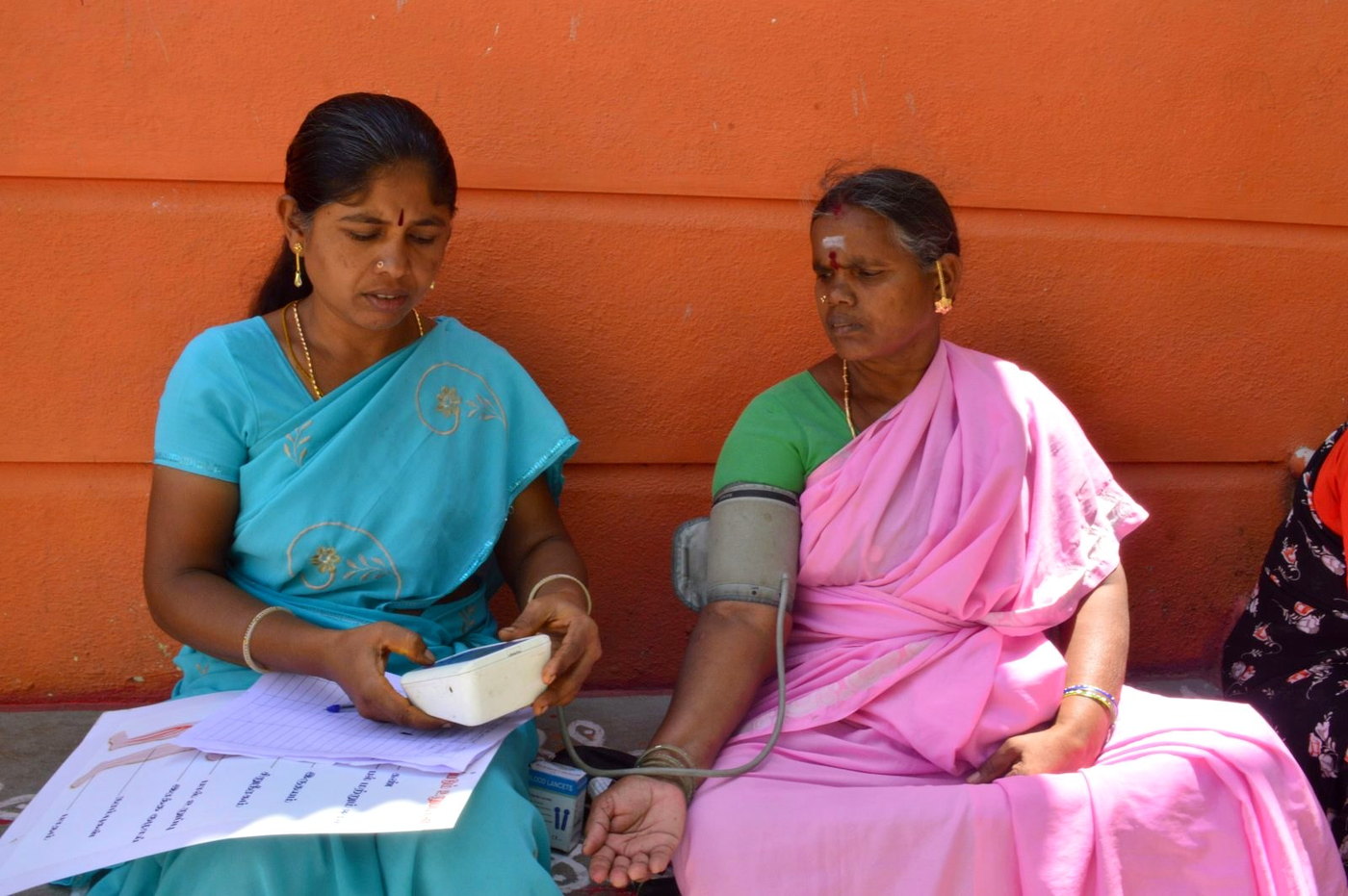
Around 2,000
patients benefited since 2017
Diabetes & Hypertension Care
Highly subsidised annual care packages with six-monthly reviews. A multi-purpose assistant visits patients at home monthly to check sugar and blood pressure, reducing repeat hospital visits. Around 2,000 patients have benefited since 2017.
-
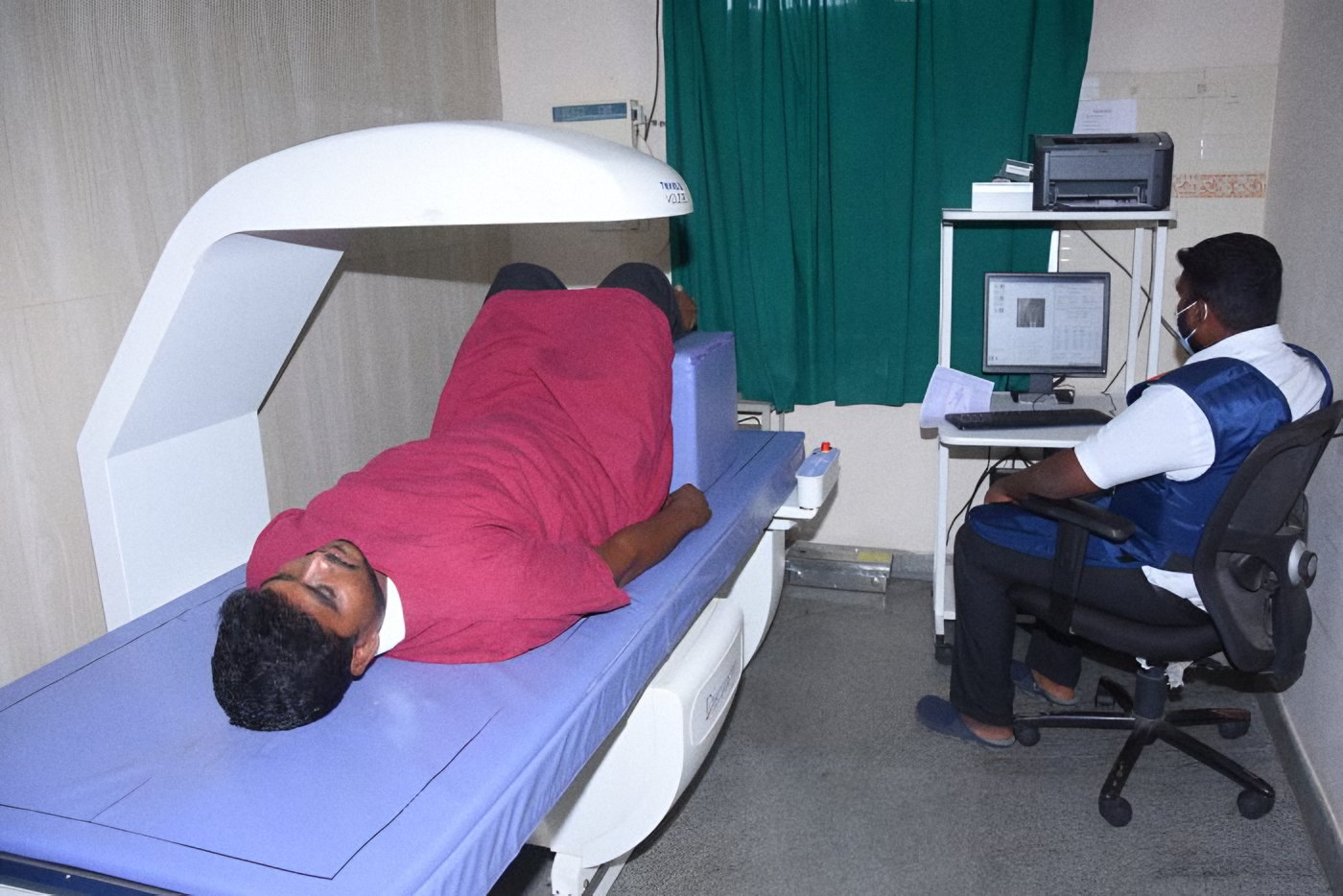
10,000+
patients studied since 2012
Osteoporosis Screening
Free DEXA scans and highly subsidised calcium and Vitamin D supplements are delivered to eligible people at home. Over 10,000 patients have been studied since 2012 — pioneering work at the community level, since published.
-
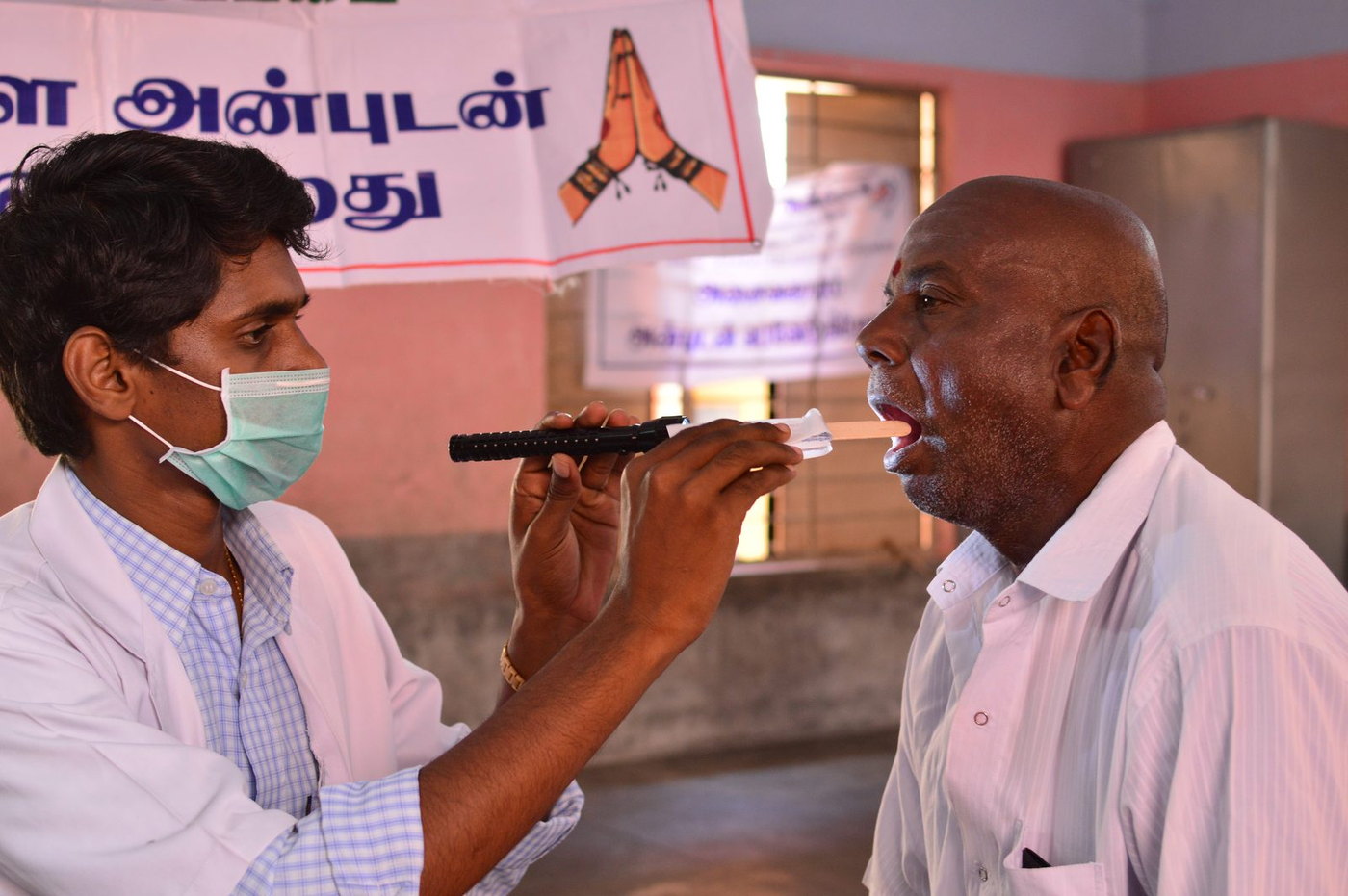
9,000+
women screened since 2012
Cancer Screening
Cervical cancer screening for rural women using WHO's standardised VIA method, with colposcopy where needed — over 9,000 women screened since 2012. Oral-cancer screening with Ragas Dental College, Chennai assessed over 4,000 people, with biopsy and counselling for tobacco users.
TCT collaborates with Government and other private organisations to fill gaps in expertise, ensure cost-effectiveness, and maximise benefit to the community — including a recent programme to protect the vulnerable and senior citizens during the pandemic.
Help us reach more families
Your support directly funds free camps, screenings and care for the rural poor.