Cardiac Emergencies
Heart attacks (acute coronary syndromes), cardiac arrhythmias, heart failure, pulmonary oedema, heart blocks, and other acute cardiac conditions.
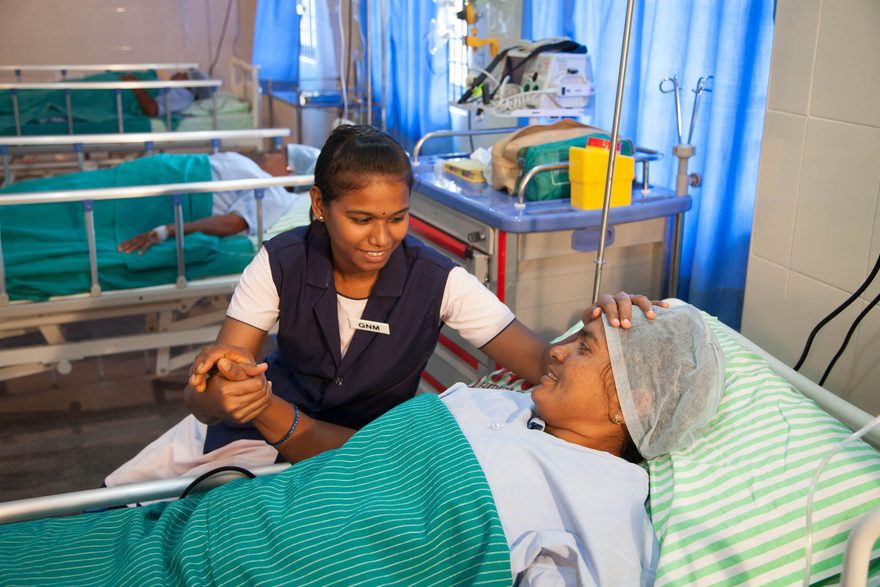
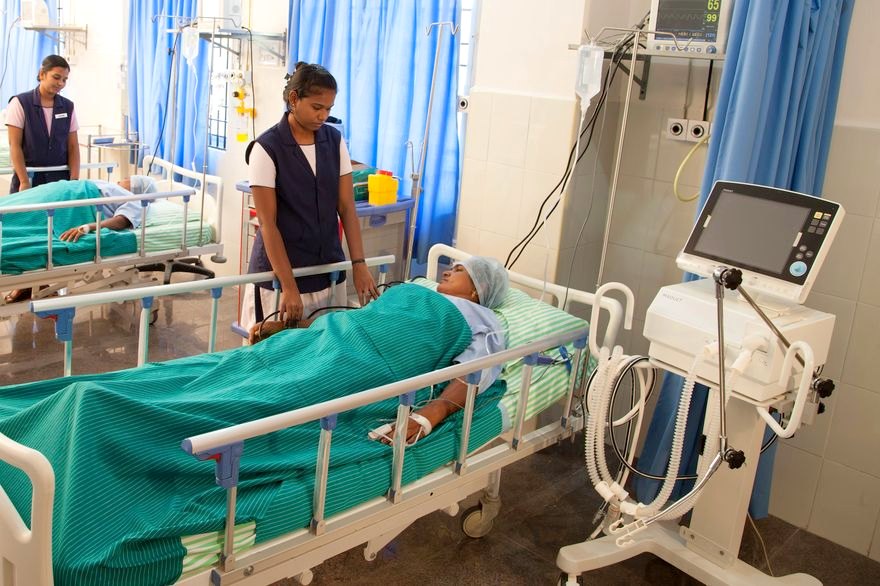
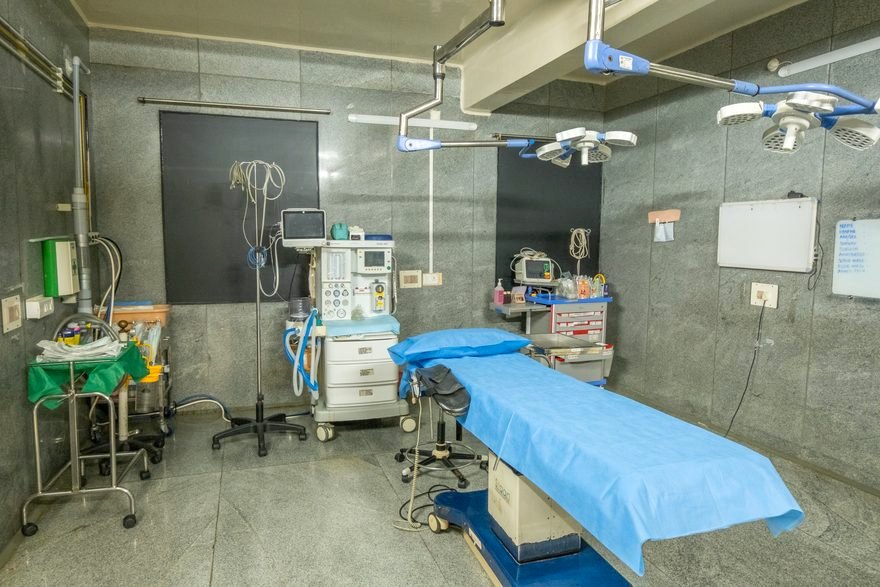
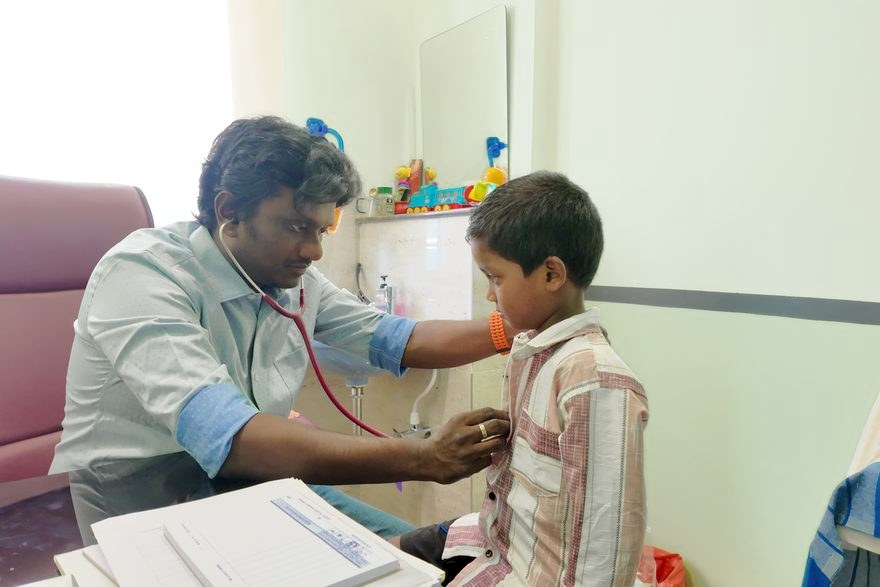
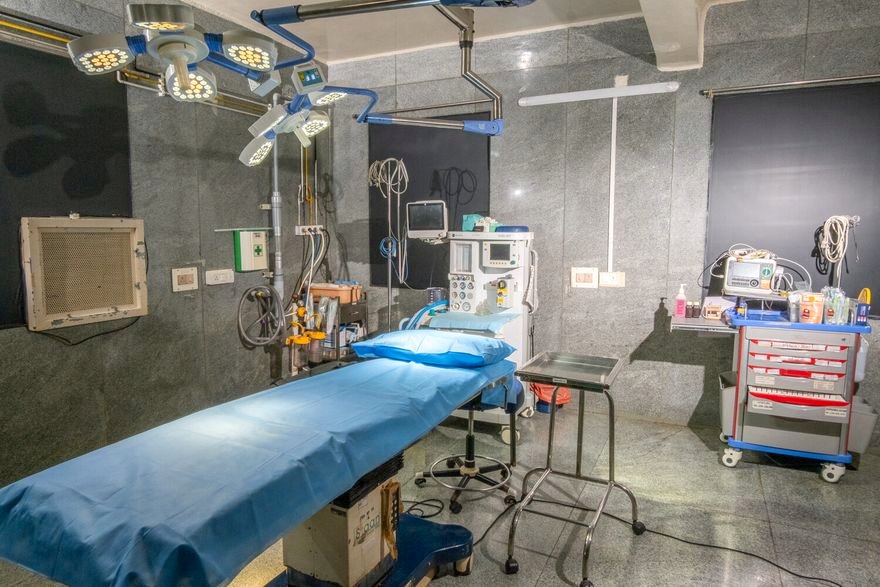
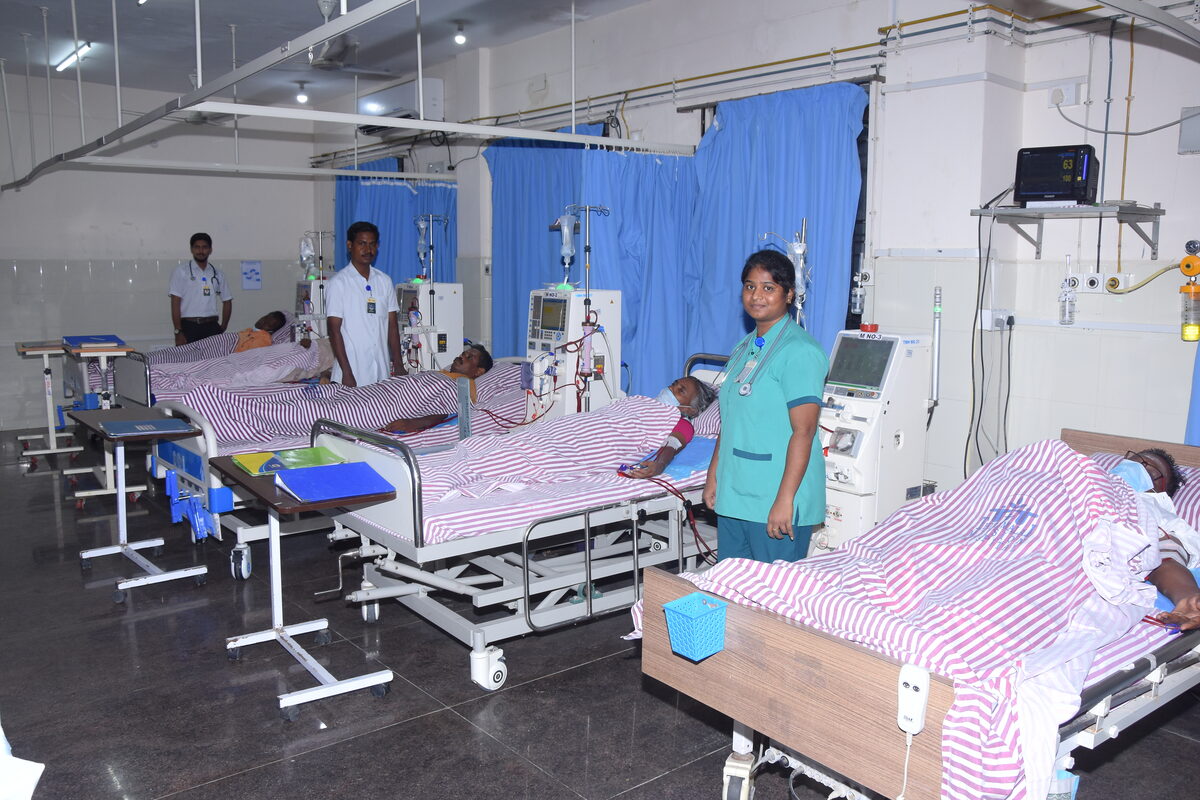
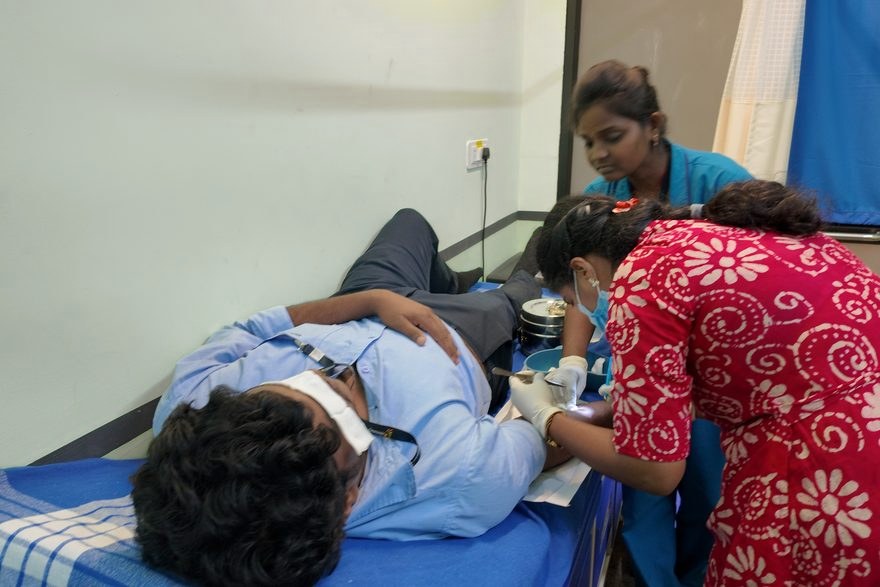
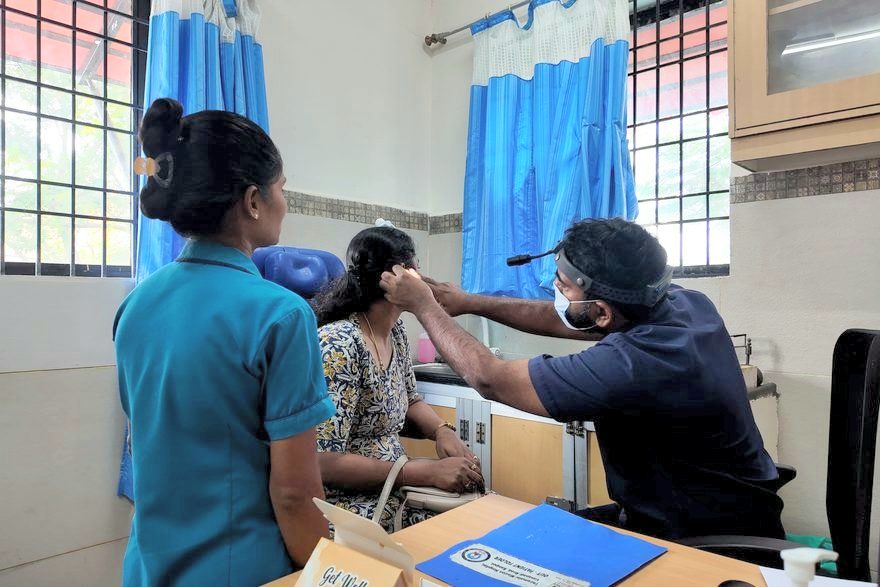
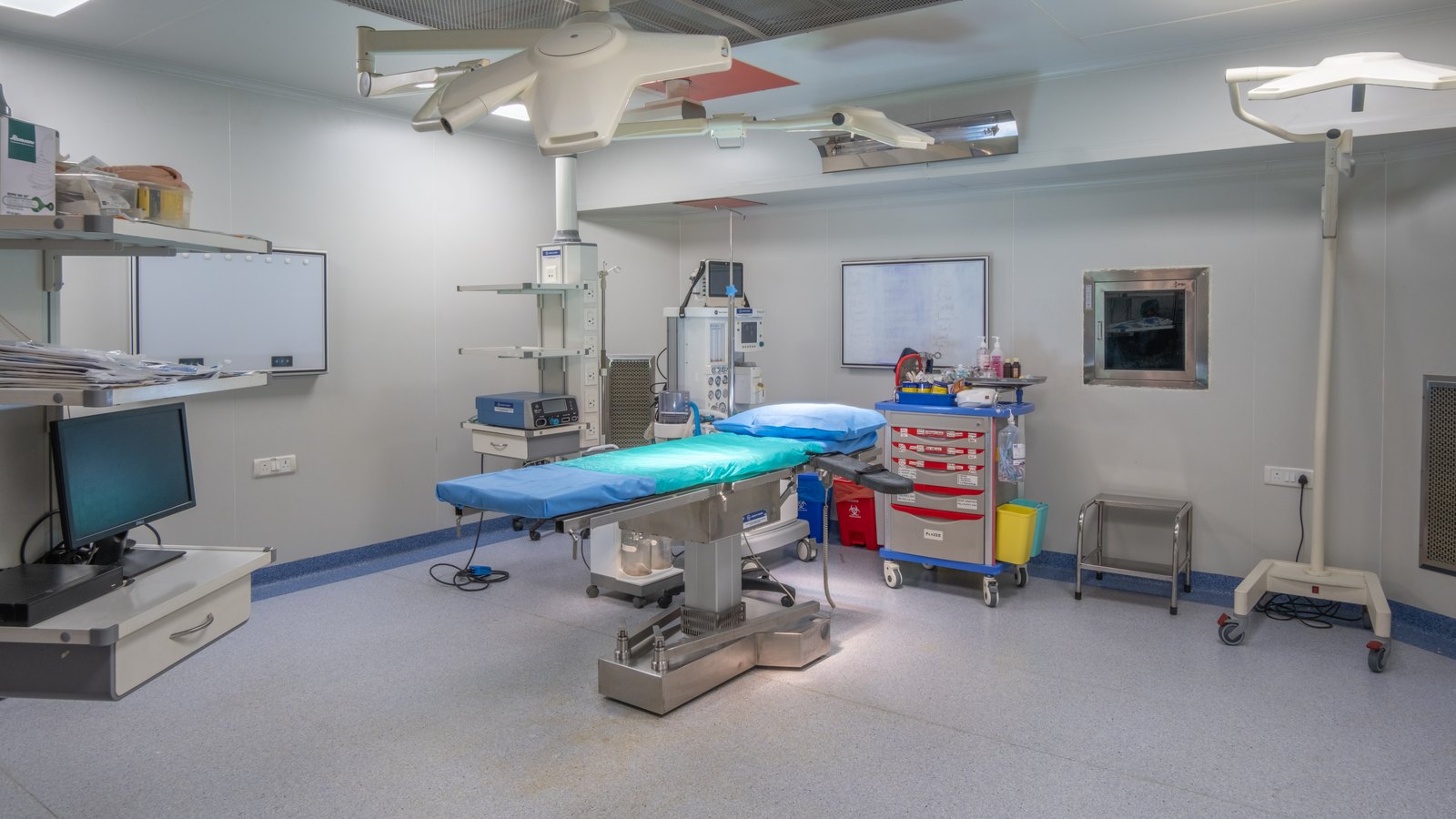
Medical emergencies can occur at any time, and timely treatment can make all the difference. Our 24×7 Emergency Department is equipped to provide rapid assessment, stabilisation and treatment for a wide range of medical, surgical, paediatric, obstetric and trauma emergencies.
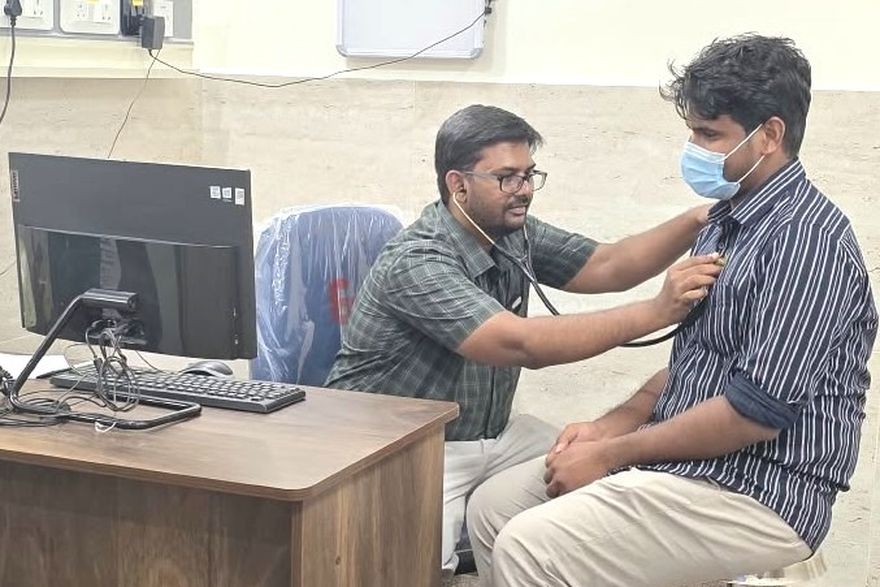
Our experienced emergency physicians, trained nursing staff and well-equipped emergency facilities work together to deliver prompt, compassionate care when every second counts.
Our emergency team is equipped to assess and treat the full range of acute presentations, across every speciality in the hospital.
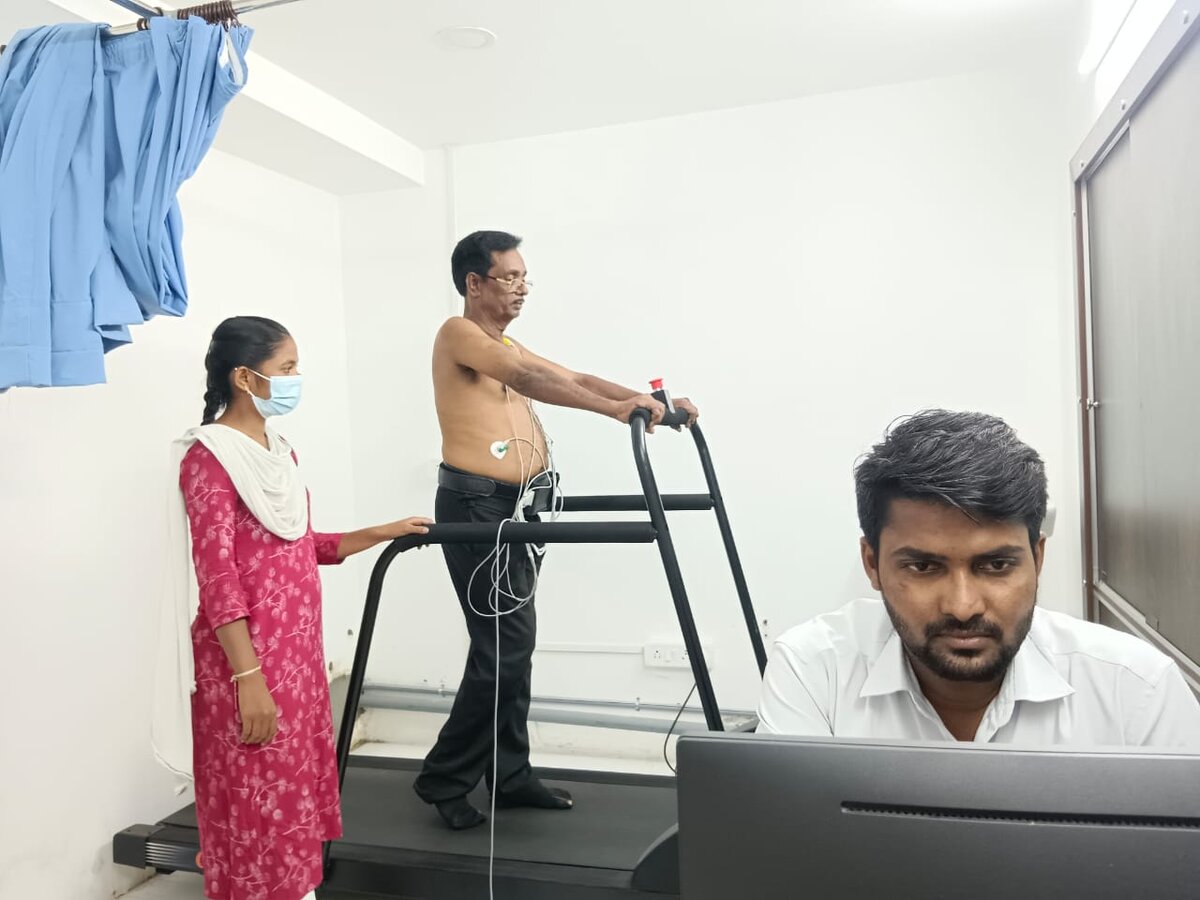
Heart attacks (acute coronary syndromes), cardiac arrhythmias, heart failure, pulmonary oedema, heart blocks, and other acute cardiac conditions.
Stroke, seizures, meningitis, altered consciousness, and other neurological emergencies.
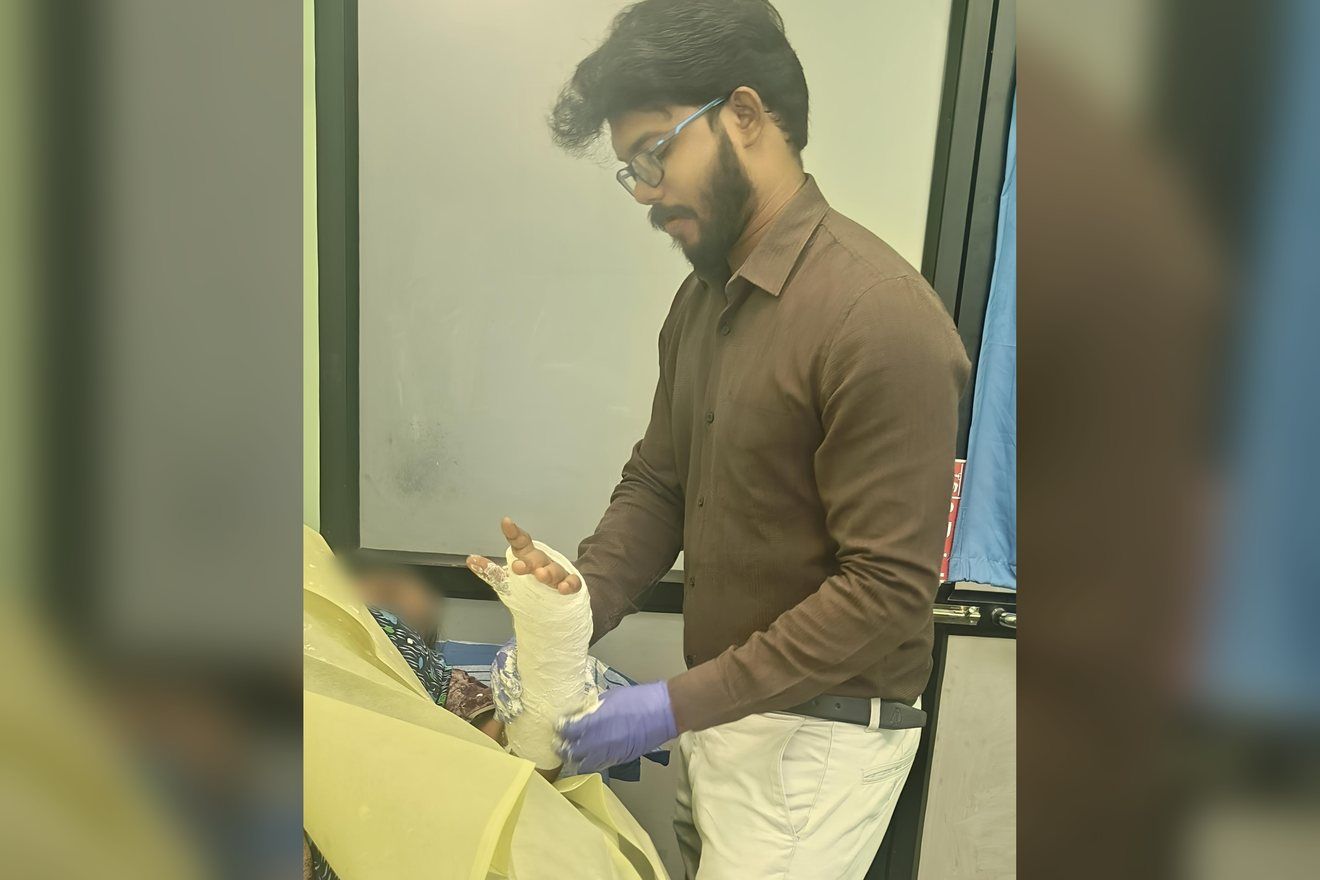
Road traffic accidents, workplace injuries, sports injuries, burns, fractures, falls, and other traumatic injuries.
Asthma, COPD exacerbations, pneumonia, respiratory failure, lung infections, and obstructive sleep apnoea-related emergencies.
Diabetic ketoacidosis, severe hypoglycaemia, thyrotoxicosis, myxoedema coma, adrenal insufficiency, and related emergencies.
Dengue, malaria, scrub typhus, leptospirosis, severe infections, acute febrile illnesses, gastroenteritis, liver disorders, kidney injury, and other medical emergencies.
Ectopic pregnancy, severe vaginal bleeding, hypertensive disorders of pregnancy, emergency childbirth, postpartum emergencies, and neonatal stabilisation.
Snake bites, scorpion stings, bee and wasp stings, poisoning from medications, pesticides, rodenticides, plants, chemicals, and animal bites.
Gastrointestinal bleeding, perforated ulcers, appendicitis, pancreatitis, cholecystitis, strangulated hernias, cellulitis, gangrene, mesenteric ischaemia, and renal or ureteric calculi.
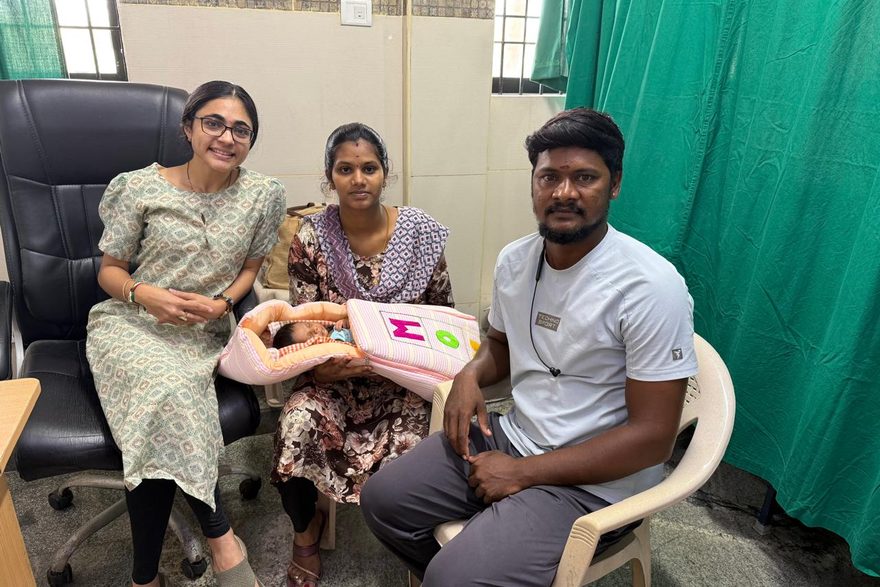
The Emergency care doctors and facilities provided good care with a prompt response.
Blood tests help find problems such as infection, low haemoglobin, kidney trouble, high or low sugar, electrolyte imbalance, heart-related issues or bleeding/clotting problems.
Observation is needed when the patient's condition may change and needs repeated monitoring, medicines, tests or reassessment before discharge or admission.
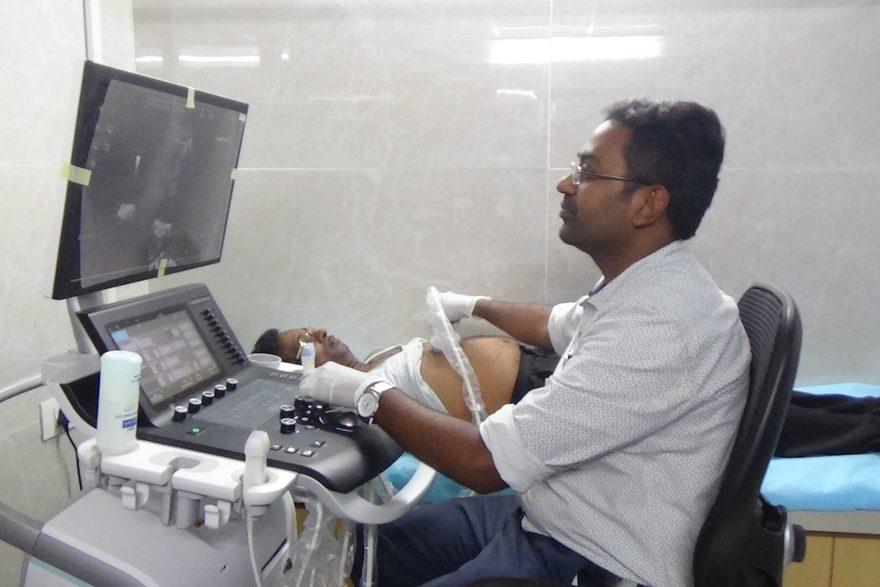
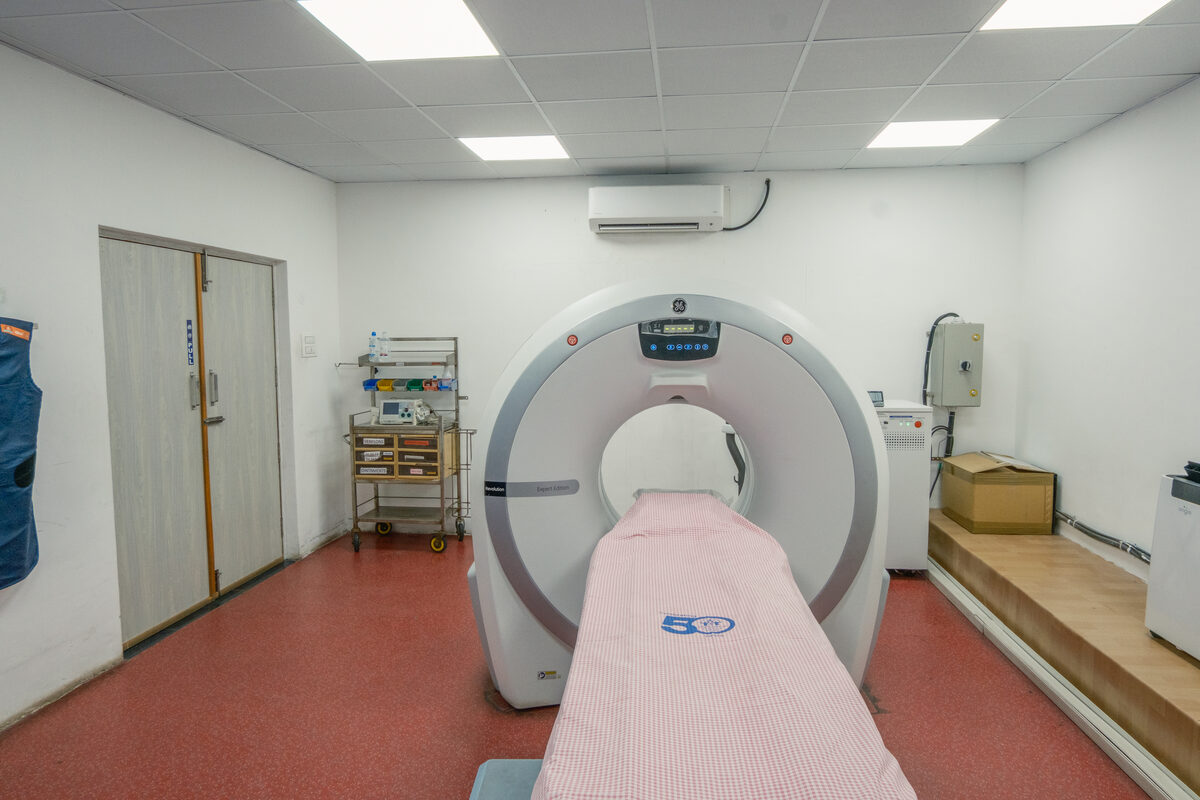
These tests help identify fractures, internal injury, chest infection, abdominal problems, stroke, bleeding, stones or other emergency conditions.
Our emergency department is open every hour of every day — no appointment needed. In an emergency, come straight in or call ahead so our team can be ready for you.
No matches — try “dialysis”, “checkup” or a department name.