About Nutrition & Dietetics
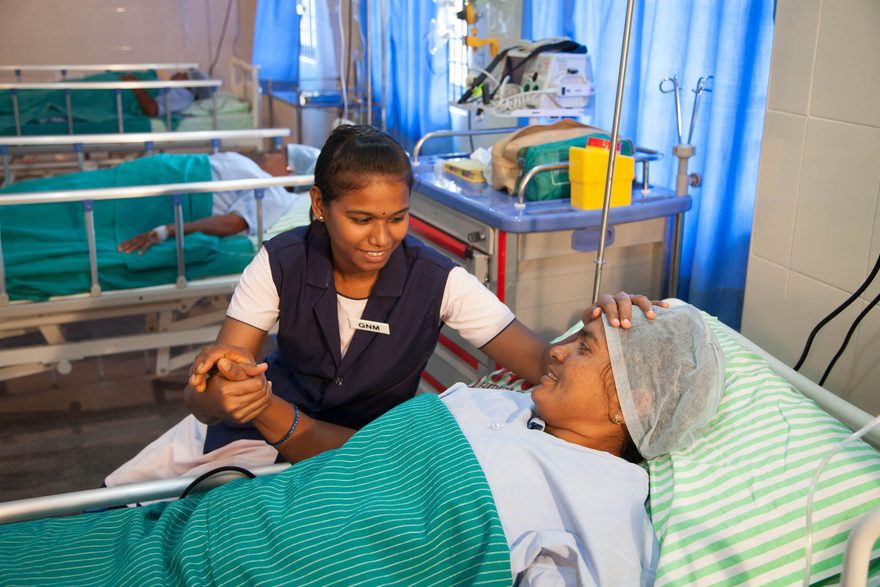
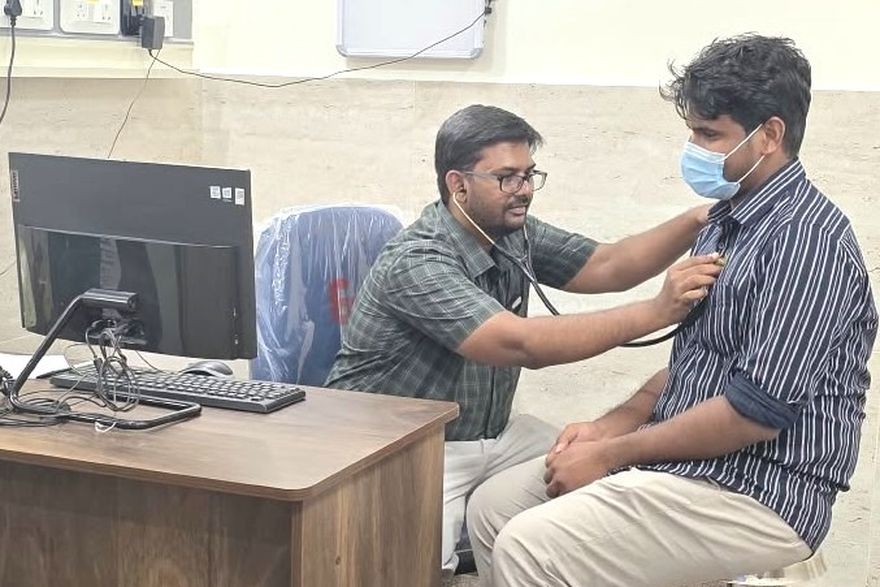
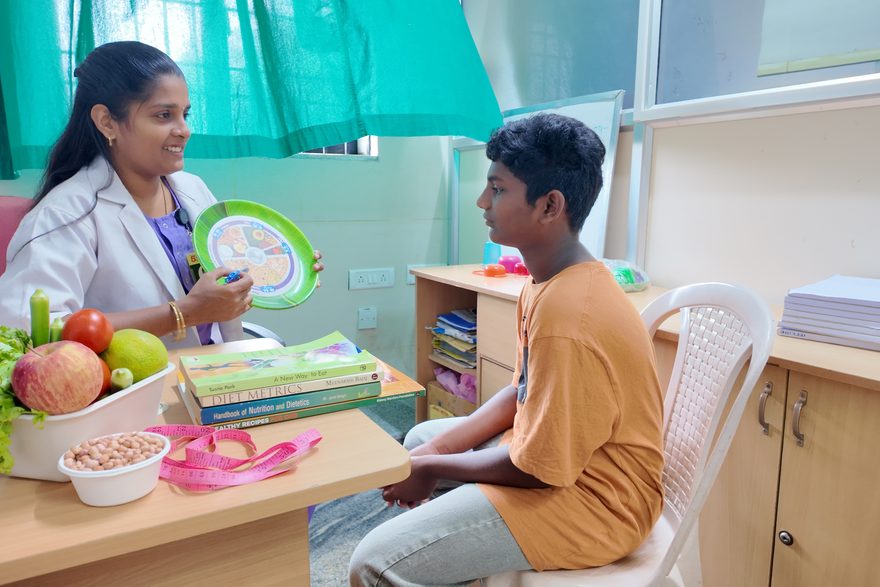
Good nutrition is an essential part of preventing disease, supporting treatment, and promoting recovery. At Thirumalai Mission Hospital, our Nutrition & Dietetics Department provides evidence-based nutritional care for patients of all ages. Our experienced clinical dietitians work closely with doctors and other healthcare professionals to develop personalised nutrition plans that support treatment, recovery, and long-term well-being. Whether you are managing a chronic medical condition, recovering from surgery, or looking to adopt healthier eating habits, we are committed to helping you achieve your health goals through practical, sustainable nutrition care.
What we treat & offer
- Nutritional assessment and dietary counselling
- Medical nutrition therapy for diabetes and metabolic disorders
- Weight management
- Nutrition counselling for heart, kidney, liver, and gastrointestinal disorders
- Maternal, paediatric, and geriatric nutrition
- Cancer nutrition support
- Lifestyle and preventive nutrition counselling
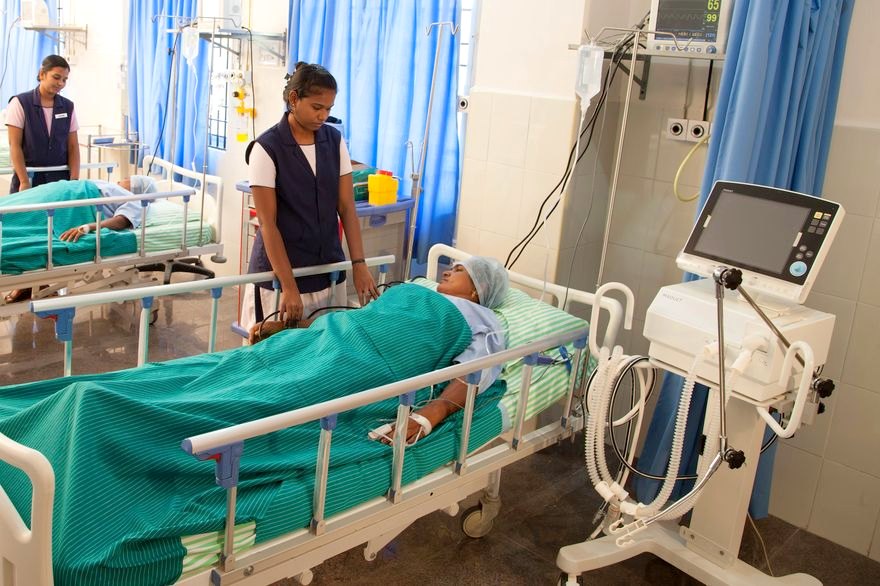
- Therapeutic diet planning for hospitalised patients
- Clinical nutrition support for critically ill patients, including enteral and parenteral nutrition
Our Approach
Our dietitians work closely with physicians and other specialists to ensure nutrition is integrated into every stage of treatment. We provide practical, culturally appropriate dietary advice and empower patients and their families to make informed food choices that support better health and recovery.
Frequently asked questions
How many days does it take to lose weight?
There is no fixed number of days. Healthy weight loss is usually around 2-3 kg per month, depending on the person's starting weight, diet, activity, sleep, and health conditions. Focus on consistent lifestyle changes rather than rapid weight loss.
Why does PCOD occur?
PCOD can be related to hormonal imbalance, insulin resistance, genetics, stress, sleep problems, and lifestyle factors. It is not caused by one single food or one single reason. Proper diet, physical activity, weight management when appropriate, and medical guidance can help manage it.
I'm not able to breastfeed properly. What should I do?
First, don't feel guilty. Breastfeeding difficulties are common and can often be improved. Check the baby's latch and feeding position, offer feeds frequently, and seek help from a lactation consultant, pediatrician, or gynecologist. If the baby is not getting enough milk, medical advice should be taken promptly.
My baby is not gaining weight. What should I do?
A baby's weight should be assessed based on age, birth weight, growth chart, feeding pattern, and overall health. Check whether the baby is feeding adequately and having enough wet diapers. Don't start supplements or change feeding practices without consulting a pediatrician. If the baby is lethargic, feeding poorly, vomiting repeatedly, or losing weight, seek medical attention promptly.
Nourishing Better Health Every Day
Whether you need specialised nutrition therapy for a medical condition or guidance towards a healthier lifestyle, our Nutrition & Dietetics team is here to provide compassionate care and personalised nutrition support.